Recycling and Sustainability — Gardener Beckenham
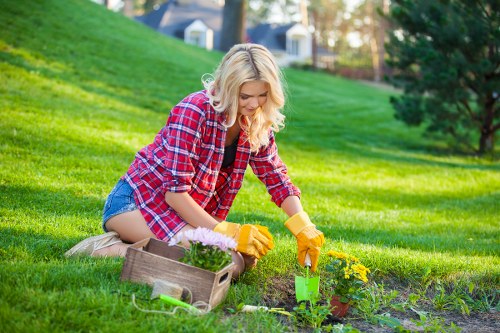 Gardener Beckenham takes a practical, place-based approach to creating an eco-friendly waste disposal area and a truly sustainable rubbish gardening area. Our local horticulture and waste teams work together to ensure garden waste is handled to maximise reuse, reduce landfill and cut carbon. Whether you refer to us as Gardener Beckenham, the Beckenham gardener service, or the local gardening waste recycling team, our priorities are clear: reduce residual waste, divert organic material to composting, and support the community through reuse partnerships.
We align with the borough's broader waste separation approach: kerbside collections for dry recyclables, separate food waste caddies, and dedicated garden waste rounds. The town's practical separation system keeps glass, paper, plastic, metal and garden cuttings distinct so that materials stay valuable and contamination is kept low. That means cleaner recycling streams for local processors and better-quality compost for community beds and allotments.
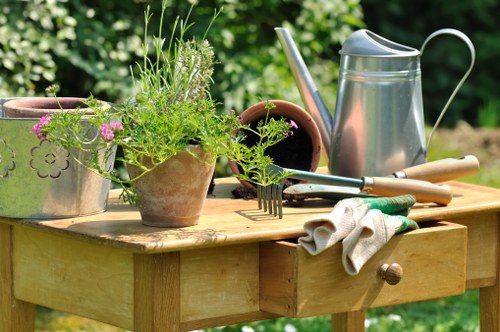 Our measurable target is ambitious and realistic: a 65% recycling percentage target within five years across household and green garden waste handled by our operations. This target covers diverted organic matter, higher capture of dry recyclables from sites where we operate, and increased reuse through charity partners. We will report progress annually and use local transfer stations and civic amenity facilities to track tonnes diverted from residual waste.
Designing an Eco-Friendly Waste Disposal Area
The eco-friendly waste disposal area we maintain for Beckenham gardener operations is organised around clear signage, separate bays for garden waste, food-soiled materials and recyclable containers, and secure storage for tools and reusable items. We coordinate collections to nearby local transfer stations and borough transfer facilities so that materials are processed efficiently. Low-carbon vans shuttle material from our sites to transfer hubs, reducing the number of heavy journeys and keeping emissions down.
 We build close working relationships with reuse charities and community organisations to ensure that items with life left in them are diverted from the waste stream. Typical local partnerships include food redistribution groups for surplus edible material, community composting networks for green cuttings, and reuse charities that take tools, pots and garden furniture. These connections increase local circularity and keep useful items in circulation rather than going to energy recovery or landfill.
Logistics are critical to effective operations. Our fleet includes low-carbon vans — a mix of battery-electric and plug-in hybrid vehicles — used for both collection and redistribution runs. Route optimisation software reduces mileage, and our depots prioritise charging from renewable sources where possible. Inside the reuse loop we emphasise local processing so fewer miles are needed between collection, transfer station and end use.
Practical Recycling Activities and Partnerships
The sustainable rubbish gardening area supports a range of recycling activities tailored to the Beckenham context. These include separated collections for:
- Garden waste for commercial-scale composting and local community compost bays
- Food waste caddies that feed anaerobic digestion where applicable
- Dry mixed recycling (paper, cardboard, glass, cans and plastic) collected and sorted at transfer facilities
 Our partnerships with charities and social enterprises are central to what we do: they take reusable furniture, garden tools and soil improvers, redirect surplus edible material, and run community projects that turn green waste into valuable soil conditioners. Working with local reuse organisations strengthens the social as well as environmental benefits of recycling activity around Beckenham.
 Behavioural change and continual improvement underpin long-term success. We invest in staff training, clear labeling of disposal areas and simple operational rules so that workers, volunteers and contractors know what belongs in each stream. The borough's three-stream approach — separating dry recycling, food and residual waste, with garden waste collected separately — makes that easier to manage and more effective at scale. By combining clear separation, smart logistics and charity partnerships, Gardener Beckenham aims to deliver a measurable reduction in carbon and waste.
What success looks like: a functioning, low-carbon collection fleet, robust links to local transfer stations, a 65% recycling rate target met through improved capture and reuse, and thriving community reuse channels. We measure tonnages at transfer points, report diversion rates, and continually refine routes and processing to keep the eco-friendly waste disposal area operating efficiently.
In short, the Beckenham gardener model is about more than moving garden waste — it is about creating a sustainable rubbish gardening area that supports local ecology, reduces emissions through low-carbon vans, and partners with charities to keep resources in circulation. By focusing on separation, reuse and local processing, Gardener Beckenham contributes to a greener borough and a resilient local circular economy.
Join the movement: support local recycling and reuse by sorting materials carefully at source, supporting charity-led reuse, and championing low-emission fleet solutions for local services. Together we can transform garden waste from a disposal problem into a valuable resource for Beckenham's parks, allotments and community green spaces.