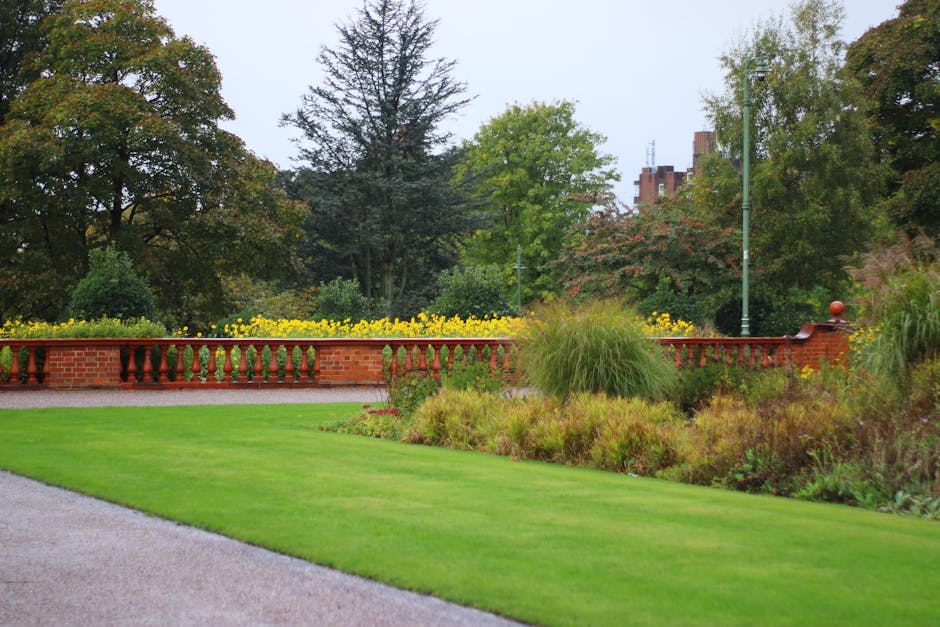
Kelsey Park landscaping and gardening services for small gardens Beckenham
Small gardens near Kelsey Park can be brilliant little spaces, but they can also be awkward. One minute you're picturing a neat place to sit with a cup of tea, the next you're staring at a patchy lawn, a narrow border, and a corner that never quite gets enough light. If that sounds familiar, you're in the right place. This guide to Kelsey Park landscaping and gardening services for small gardens Beckenham explains how to make modest outdoor spaces feel larger, tidier, and much easier to live with.
We'll look at what good small-garden work actually involves, how the process usually works, where the biggest wins are, and which mistakes tend to waste time and money. You'll also find a practical checklist, a comparison table, and honest guidance on what makes sense for a compact urban garden in Beckenham. Truth be told, small gardens often need more thoughtful design than big ones. Less room means every choice matters.
Table of Contents
- Why Kelsey Park landscaping and gardening services for small gardens Beckenham Matters
- How Kelsey Park landscaping and gardening services for small gardens Beckenham Works
- Key Benefits and Practical Advantages
- Who This Is For and When It Makes Sense
- Step-by-Step Guidance
- Expert Tips for Better Results
- Common Mistakes to Avoid
- Tools, Resources and Recommendations
- Law, Compliance, Standards, or Best Practice
- Options, Methods, or Comparison Table
- Case Study or Real-World Example
- Practical Checklist
- Conclusion
- Frequently Asked Questions
Why Kelsey Park landscaping and gardening services for small gardens Beckenham Matters
Small gardens in and around Kelsey Park tend to share a few traits: limited width, tight access, a mix of shade and sun, and neighbours fairly close by. That means the usual "just add a few plants" approach rarely works for long. A compact garden needs structure. It needs balance. It needs planting that won't swallow the whole space by July.
Good landscaping and garden care matter here because small spaces are unforgiving. A border that is 30 centimetres too deep can make the garden feel cramped. A lawn that is left a bit too long can look messy very quickly. A poorly placed tree or hedge can block the light for most of the day. And once a small garden feels chaotic, it tends to stay that way unless someone takes a proper look at it.
That is where local garden services become useful. They're not only about mowing or cutting things back. They can help you decide what the garden should do for you. Should it be a quiet seating area? A low-maintenance family space? A neat frame for a townhouse? A place with year-round greenery but not too much upkeep? Those are different jobs, and they need different solutions.
Expert summary: In small Beckenham gardens, the best results usually come from simplifying the layout first, then improving planting, lawn shape, and hard landscaping in that order. If you try to decorate chaos, it still looks like chaos.
If you want a wider view of what a full garden service can cover, the services overview is a good place to understand the typical scope before you plan anything major.
How Kelsey Park landscaping and gardening services for small gardens Beckenham Works
For a small garden, the work usually starts with observation rather than digging. A good gardener or landscaper will look at light levels, drainage, access, soil condition, privacy issues, and how you actually use the space. A garden that gets morning sun and afternoon shade behaves very differently from one that is south-facing and gets baked by the sun in late summer. You can feel the difference, even before a single plant goes in.
The next stage is usually a straightforward assessment of priorities. On compact plots, there is no room for every idea. So the job becomes one of selection and editing: what stays, what goes, and what needs reworking. Sometimes the most useful thing is a clean reset through garden clearance. In other cases, the priority might be routine garden maintenance, a sharper edge to the lawn, or a better planting plan to make the space feel more intentional.
After that, the practical work begins. This may include:
- cutting back overgrown shrubs and hedges
- reshaping beds to improve flow
- repairing or replacing tired lawn sections
- installing low-profile hard landscaping
- adding screening for privacy without blocking too much light
- choosing plants that suit the aspect and the amount of maintenance you actually want
In many small gardens, the best changes are the ones that reduce visual clutter. Raised beds can help define zones. Narrow paths can create movement. A well-chosen deck or paved seating area can give the garden a purpose. If you're thinking about a more structural upgrade, it may be worth looking at landscaping or more tailored landscape gardening work, depending on how much design input you need.
That process is usually phased so the garden remains usable. A decent team won't just rush in and strip everything out unless that is genuinely the right move. They'll keep an eye on access, plant protection, waste removal, and how the finished space will be maintained later on. It sounds basic, but honestly, that is where a lot of good projects succeed or fail.
Key Benefits and Practical Advantages
The best small-garden work gives you more than a nicer view. It changes how the space feels and how easy it is to keep that way.
- Better use of limited space: Even a tiny plot can feel functional if the layout is planned properly.
- Less ongoing hassle: A garden designed for your lifestyle is easier to maintain. That matters a lot when time is tight.
- Improved light and flow: Small changes to height, shape, and planting can make the space feel open rather than boxed in.
- More privacy without heaviness: Careful hedge trimming and planting can screen views without creating a dark little tunnel.
- Cleaner kerb appeal: A tidy front or rear garden can make the whole property feel cared for.
- Better safety and access: Clearing trip hazards, overhanging growth, and blocked paths makes everyday use simpler.
There's also a psychological benefit, which people often underestimate. A neat garden tends to get used more. You sit outside for ten minutes more often. You notice the plants. The washing line doesn't feel like an obstacle course. It becomes part of the home instead of a chore you keep meaning to "sort out at some point".
If your garden includes woody growth that is throwing off the balance, sensible hedge trimming can make a big difference. And if a small tree is dominating the plot or blocking light, it may be worth considering tree lopping and removal where appropriate and safe.
Who This Is For and When It Makes Sense
This kind of service is a strong fit if your garden feels too small to be practical but not too small to matter. That distinction matters. A compact garden can still be one of the most valuable parts of a home, especially in a busy part of Beckenham where people want somewhere calm, not another project.
You may benefit from professional help if:
- the garden is overgrown and you don't know where to begin
- you want a lower-maintenance layout
- the lawn is patchy or badly shaped
- you need better privacy from nearby homes
- the space is shaded and current planting keeps failing
- you want a seating area but don't know where it should go
- you need seasonal work to keep the place under control
It also makes sense if you've already tried a few quick fixes and the result still feels off. Sometimes the issue is not the plants. It's the layout. Or the proportion. Or the fact that one side of the garden is doing too much visually. Small gardens are a bit like small rooms; one oversized item can throw the whole thing.
If you're mainly after routine upkeep rather than a redesign, then regular lawn mowing and ongoing garden maintenance may be enough. If the space has become cluttered or difficult to use, a more structural approach is usually wiser.
Step-by-Step Guidance
Here's a practical way to approach a small garden project near Kelsey Park without getting overwhelmed. No drama. Just a sensible order of work.
- Define the main job of the garden. Decide whether you want seating, planting, play space, privacy, or a low-maintenance finish. If everything is a priority, nothing is.
- Assess what is currently crowding the space. Look at plants, paving, lawn shape, waste, broken features, and anything that blocks light or movement.
- Clear or reduce the excess. This may involve pruning, lifting unwanted growth, or arranging garden clearance for a full reset.
- Improve the layout before adding detail. Think in terms of zones: a path, a border, a seating area, and perhaps a focal point.
- Choose simple, reliable materials. In small gardens, restrained finishes often work better than busy ones.
- Pick plants for the site, not the catalogue photo. Shade-tolerant, compact, and seasonal-interest plants often perform best.
- Plan maintenance from day one. If the design needs weekly attention to look decent, it may not be the right design.
- Review the result after a few weeks. Small gardens change quickly as plants settle and light shifts through the day.
If decking is part of the plan, keep it proportionate. A deck that is too large can dominate a small plot, but a modest one can create a really useful outdoor room. You can read more about that style of improvement through the decking services page.
A quick real-world note: I've seen tiny gardens transformed simply by moving the seating area two metres and tightening the borders. That was it. Nothing flashy. But the garden suddenly felt twice as usable. Small wins add up.
Expert Tips for Better Results
When space is tight, the details matter more than the drama. A few sensible habits can make a big difference to the final look and the amount of upkeep later on.
- Use fewer plant types, but use them well. Repetition creates calm. A mixed-up border often creates noise.
- Keep lines simple. Straight edges and clean curves usually read better in compact gardens than complicated shapes.
- Work with height carefully. Vertical planting can add interest, but too much height makes the space feel boxed in.
- Leave breathing room. Don't fill every corner. A bit of open space helps the eye rest.
- Choose maintenance levels honestly. Be realistic. If you do not want to deadhead every weekend, do not build the garden around plants that expect that kind of attention.
- Think about the view from inside the house. In a small garden, you often see more of it through windows than from the patio.
One small trick that works surprisingly well: pick one focal feature and let everything else support it. That could be a specimen shrub, a tidy bench, a tree with a light canopy, or a neatly framed sitting area. The eye needs somewhere to settle. Otherwise the space just feels busy, a bit twitchy, even if everything is technically neat.
If you're choosing between a detailed redesign and light-touch care, it can help to compare the likely outcome side by side.
Common Mistakes to Avoid
Small gardens are full of traps for the well-meaning. Not because people are careless, but because the space can hide mistakes until they have grown into bigger problems. And then, annoyingly, they're harder to undo.
- Overplanting: Tiny gardens can look full very quickly. Leave room for growth.
- Using oversized features: Large furniture, huge pots, and bulky structures can dominate the plot.
- Ignoring shade and drainage: Plants that love sun will not magically adapt because the postcode is nice.
- Choosing fashionable plants only: Pick plants for performance, not just appearance.
- Letting hedges and trees grow unchecked: This can reduce light, airflow, and usable space.
- Skipping maintenance planning: A beautiful finish that becomes untidy in six weeks is not really a finish.
One of the most common mistakes is trying to do everything at once. A bit of clearance, a bit of planting, a bit of hard landscaping, and a bit of lawn repair can be a sensible mix. But if the garden is already struggling, a phased approach is usually smarter. Less stress, better decisions, fewer surprises.
Another thing: do not underestimate access. In small gardens, getting materials in and waste out can shape the whole job. If access is awkward, the design should respect that from the start.
Tools, Resources and Recommendations
You do not need a shed full of professional kit to understand or manage a small garden well, but it helps to know what the work usually involves.
- Basic cutting tools: Secateurs, loppers, saws, and hedge tools for controlled pruning.
- Rubbish and waste handling: Especially important after seasonal tidy-ups or a full reset.
- Soil improvement materials: Compost, mulch, and topsoil can help tired beds recover.
- Edge-setting tools: Useful for keeping tiny lawns and borders looking crisp.
- Measuring tools: Even a tape measure helps avoid oversized features that squeeze the life out of the garden.
From a homeowner's point of view, the most useful resource is often a written plan, even if it's simple. Sketch the garden. Mark sun and shade. Note what feels awkward. Mark where water gathers after rain. You'll make better choices with those notes than with vague memory on a busy Saturday afternoon.
When comparing service options, it is also worth checking practical things like payment clarity and business policies. Pages such as pricing and quotes, payment and security, and insurance and safety help build confidence before you commit to any work.
If sustainability matters to you, ask how green waste is handled and whether suitable materials are recycled where possible. The recycling and sustainability page is relevant if you want a clearer sense of that approach.
Law, Compliance, Standards, or Best Practice
For small-garden landscaping in Beckenham, the main compliance concerns are usually practical rather than dramatic. Still, they matter. You want work carried out safely, with sensible handling of waste, trees, and boundary issues, and with care around neighbouring properties.
In the UK, homeowners and contractors should be mindful of a few broad best-practice areas:
- Health and safety: Tools, ladders, powered equipment, and site conditions should be handled carefully.
- Insurance: It is sensible to check that the business has appropriate cover for the work being carried out.
- Boundary awareness: Hedges, roots, and overhanging branches can become sensitive if property lines are unclear.
- Waste handling: Green waste should be disposed of responsibly rather than left to pile up.
- Tree work: More significant tree reduction or removal should be handled cautiously and in line with good practice.
The exact legal position can depend on the garden, the trees involved, and local circumstances, so it is wise not to guess. A responsible contractor should be able to explain how they approach safety, access, and waste. If you want to understand the company's stated approach before booking, the pages on health and safety policy and insurance and safety are the most relevant starting points.
There is also a decent bit of common sense here. If a job feels rushed, vague, or oddly casual about risk, pause. Better to ask one extra question than to end up with a mess, or worse. Gardens are meant to be enjoyable, not a source of avoidable headaches.
Options, Methods, or Comparison Table
For small gardens, the main decision is often whether you need maintenance, light redesign, or a fuller landscaping project. Here's a simple comparison.
| Approach | Best for | Typical outcome | Notes |
|---|---|---|---|
| Routine maintenance | Gardens that are basically fine but need keeping in shape | Tidier beds, mowed lawn, controlled growth | Best when the layout already works and just needs care |
| Clearance and tidy-up | Overgrown or neglected small gardens | More usable space, better visibility, easier planning | Often a sensible first step before any redesign |
| Landscape gardening | Spaces needing better structure and planting | Improved flow, more character, stronger visual balance | Useful when the garden feels flat or poorly arranged |
| Full landscaping | Gardens needing hard and soft elements reworked | New layout, improved access, defined outdoor zones | Best for more ambitious changes |
If you are unsure which route fits, start with the question: "What is currently stopping me from using this space well?" That answer usually points you to the right level of work. Sometimes it's just a hedge. Sometimes it's the whole layout. No need to pretend those are the same thing.
Case Study or Real-World Example
Here's a realistic example from a small Beckenham-style garden near Kelsey Park. The space was narrow, shaded at the back, and had a lawn that had thinned out over time. A row of shrubs along one boundary had grown too wide, which made the garden feel tight and dim. The owners wanted somewhere to sit in summer, but they also wanted the space to remain low effort through the year.
The work started with clearance and pruning rather than new planting. Once the bulky growth was cut back, the garden immediately felt wider. The lawn was reshaped into a simpler outline, and the planting was reduced to a few reliable, compact shrubs with better spacing. A modest seating area was created at the brighter end of the garden, leaving the darker section for shade-tolerant planting rather than forcing grass to survive there.
What changed most was not the number of features. It was the clarity. The garden had a purpose after that. It was easier to mow, easier to water, and easier to enjoy. The owners did not need a dramatic makeover. They needed proportion and restraint. That's often the story with small gardens, to be fair.
If a similar garden also has heavy foliage or a tree reducing daylight, a careful assessment of tree lopping and removal may be part of the solution, though only where appropriate and safe.
Practical Checklist
Use this checklist before starting work on a small garden near Kelsey Park:
- Have you decided what the garden is for?
- Do you know which areas get sun, shade, or heavy wind?
- Have you noted any drainage problems after rain?
- Is the garden cluttered with plants, waste, or broken features?
- Do hedges, shrubs, or trees need reducing?
- Is the lawn worth keeping, reshaping, or replacing?
- Would a path, seat, deck, or patio improve how the space is used?
- Are you choosing plants that suit the site and your maintenance habits?
- Do you have a plan for waste removal and ongoing upkeep?
- Have you checked pricing, safety, and practical service details?
If you can answer most of those clearly, you are already ahead of the game. If not, that's fine too. It just means the project needs a bit more thought before anyone starts cutting things back.
Get a free quote today and see how much you can save.
Conclusion
Kelsey Park landscaping and gardening services for small gardens Beckenham are about making limited space work harder, look better, and feel calmer to use. In a compact garden, small improvements can have a surprisingly big effect. Better proportions, cleaner edges, smarter planting, and the right amount of maintenance can completely change how the space behaves day to day.
If you remember one thing, let it be this: small gardens usually improve fastest when you remove what does not help before adding anything new. That bit is easy to overlook. But it is often the difference between a garden that looks "done" and one that merely looks full.
Whether you need a simple tidy-up, seasonal help, or a more considered redesign, the sensible next step is to assess the space honestly and choose a plan that fits your life, not just your wishlist. That way the garden stays enjoyable long after the work is finished. And that is the point, really.
Frequently Asked Questions
What are Kelsey Park landscaping and gardening services for small gardens Beckenham best used for?
They are best used to make compact gardens more usable, easier to maintain, and visually better balanced. That might mean clearance, planting, lawn improvement, hedge work, or a full layout rethink.
How do I know if my small garden needs landscaping or just maintenance?
If the garden is basically in good shape but needs regular care, maintenance is usually enough. If the layout feels awkward, the space is overgrown, or the garden is hard to use, some level of landscaping may be more appropriate.
Can a very small garden still be redesigned properly?
Yes, absolutely. In fact, very small gardens often benefit most from careful design because every square metre matters. Simple shapes, restrained planting, and good structure can make a big difference.
What is the biggest mistake people make with small gardens?
Overfilling the space. Too many plants, too many features, or oversized materials can make the garden feel cramped. Less is often more, even if that sounds a bit neat and tidy to say.
How often should a small garden be maintained?
That depends on the planting and layout, but many small gardens benefit from regular attention through the growing season. Lawns, hedges, and borders can all move quickly once the weather warms up.
Will trimming hedges really help a small garden feel larger?
Yes. Reducing bulky hedge growth can improve light, sightlines, and breathing room. It is one of the simplest ways to open up a compact garden without changing the whole layout.
Is garden clearance necessary before landscaping?
Often, yes. If the space is cluttered or heavily overgrown, clearance gives you a clean starting point and makes it easier to judge what the garden actually needs.
Can a lawn work in a small Beckenham garden?
Yes, but it needs to be proportionate. In some small gardens, a lawn makes sense. In others, a smaller hard landscaped area with planting around it will be more practical.
What should I ask before booking garden work?
Ask what the job will involve, how waste will be handled, whether the work is insured, and what ongoing maintenance the garden will need afterwards. Those questions save a lot of guesswork later on.
Are decking and hard landscaping suitable for tiny gardens?
They can be, if used carefully. A modest deck or paved area can create a useful seating zone. The key is scale. Too much hard landscaping can take over, so the design needs balance.
How do I keep a small garden from becoming messy again?
Keep the layout simple, choose manageable plants, and stick to a realistic maintenance routine. A garden that suits your time and energy will stay neat far longer than one that looks great only on day one.
Where can I find more about the company before I enquire?
You can read more about the team on the about us page or review the available services overview before making contact.
And if you are ready to talk through a compact garden project, the sensible next step is to reach out through the website and describe what is not working. A few clear photos can help a lot, honestly. Little gardens deserve proper care too, and sometimes all they need is the right first move.